THIS WASN’T ONE CRASH… IT WAS A DEADLY CHAIN REACTION . Four Cars, One Night, And A Collision That Changes Everything – usnews
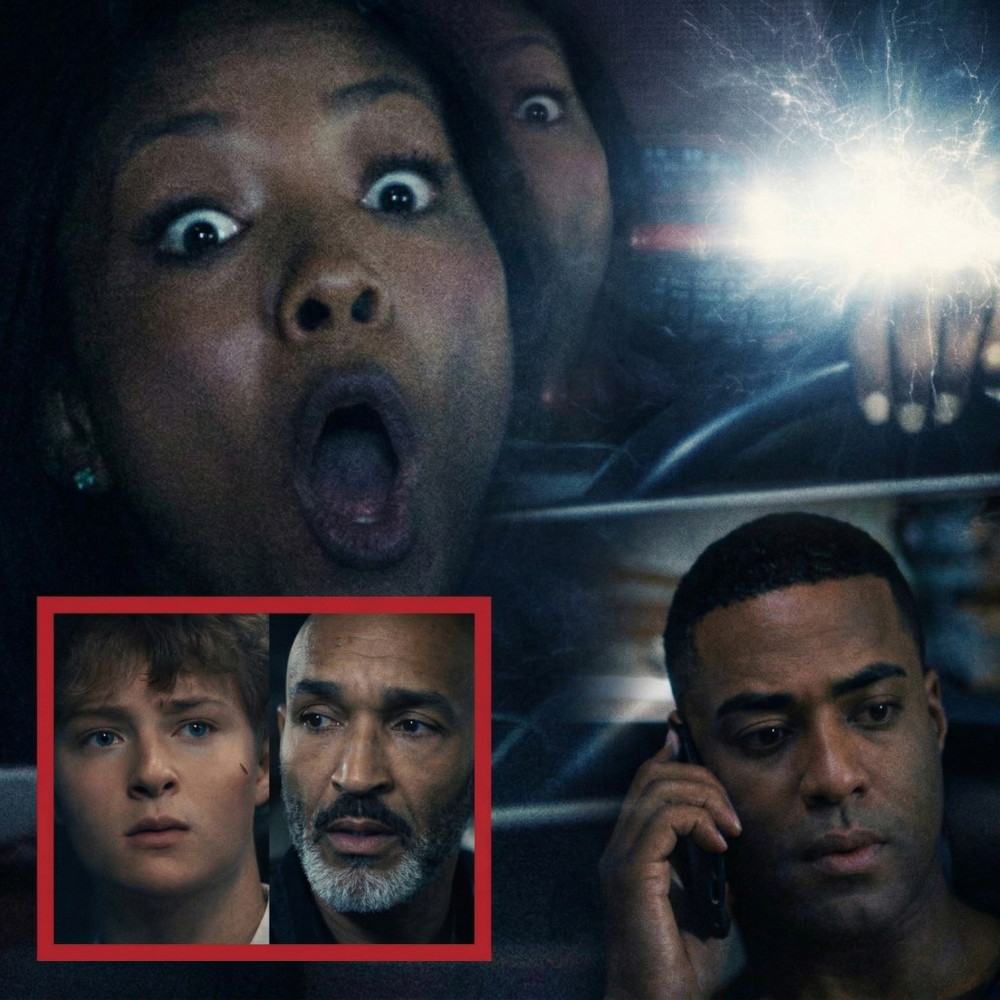
What unfolded on the road wasn’t just a crash—it was the inevitable result of multiple storylines colliding at the exact same moment. Too many characters were moving at once, too many emotional triggers were in play, and too many subtle clues had already been planted. This wasn’t random chaos. It was a carefully constructed domino effect where every decision, every distraction, and every hidden detail contributed to one explosive event.
At the center of it all is the most obvious and controversial factor: Jordan and Curtis. Their moment of intimacy behind the wheel has become the focal point of fan outrage, and for good reason. Jordan wasn’t watching the road, and Curtis wasn’t stopping her. In real-world logic, that alone is enough to assign blame. But in a show like General Hospital, what looks like the cause is often just one piece of a much larger puzzle. Their distraction may not have created the danger—but it ensured they couldn’t avoid it.
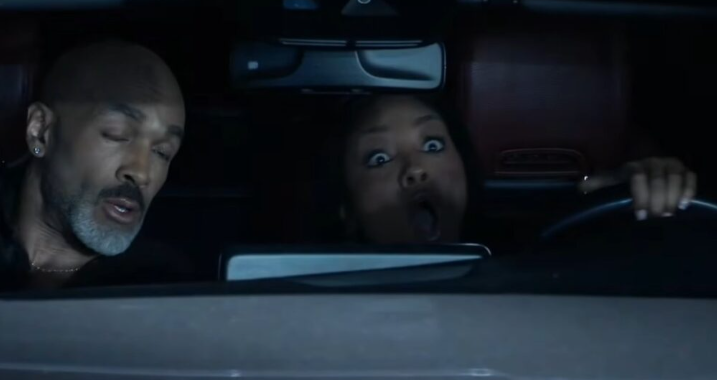
Running parallel to that moment is the highly suspicious setup involving Danny and Charlotte. The dialogue wasn’t subtle. Danny openly admitted he wanted to go fast, to escape, to feel something. Charlotte’s response—casually offering a car—felt like a loaded trigger disguised as a throwaway line. Add in the earlier conversation about her driving skills, and suddenly it feels less like character development and more like foreshadowing. Whether Charlotte was driving or recklessly let Danny take control, this car was always heading toward trouble.
Then there’s the detail that fans can’t stop talking about: the wine. The camera didn’t just casually pass over Brook Lynn’s glass—it lingered. It highlighted. It made sure the audience saw it. In soap language, that’s never accidental. Whether Brook Lynn actually caused the crash, swerved into another lane, or simply distracted another driver, the possibility of alcohol being involved adds another layer of tension. Even if she wasn’t directly responsible, the narrative is already setting her up to be blamed, and in this world, perception can be just as damaging as truth.
Isaiah’s role adds yet another layer to the unfolding chaos. He was supposed to be somewhere else, on a mission that suddenly gets interrupted. That alone is a red flag. When a character is rerouted at the last second, it usually means they’re being pulled into something bigger. Whether he becomes a victim, a witness, or the one who tries to save everyone, his presence connects the crash to the medical fallout that follows. And with rumors swirling about his exit, the stakes around his involvement feel even higher.
When all these elements are placed together, a single-car accident no longer makes sense. The most compelling theory is that this was a multi-car collision—a chain reaction involving multiple drivers, each contributing in their own way. One car speeding, another distracted, another possibly impaired, and another arriving at exactly the wrong moment. This is classic soap storytelling at its most intricate, where no one is entirely innocent and no one escapes the consequences.
What makes this storyline so effective is how deliberately it was constructed. Fans are picking apart every line of dialogue, every camera angle, every seemingly minor detail—and they’re right to do so. The writers didn’t just stage a crash. They built it piece by piece, using foreshadowing, misdirection, and timing to create something that feels both shocking and inevitable. This wasn’t just about impact. It was about buildup.
And the real story hasn’t even started yet. Because the crash itself is only the beginning. What follows will be about blame, guilt, and fallout. Jordan may face consequences for her distraction. Brook Lynn could find her future threatened by suspicion alone. Danny and Charlotte might be forced to confront the reality of their reckless choices. And Isaiah’s fate could trigger an entirely new wave of emotional devastation, especially for Portia.
In the end, the most chilling truth is this: no single character caused the crash. It was a perfect storm of small decisions, each one harmless on its own, but catastrophic when combined. And that’s what makes it so powerful. Because in this story, the danger didn’t come from one mistake. It came from all of them.